Best Wood for Decks: Top Wood Compared (+ alternative)
By
Avery Chua
Posted on
Monday, July 13, 2026 9:39 PM
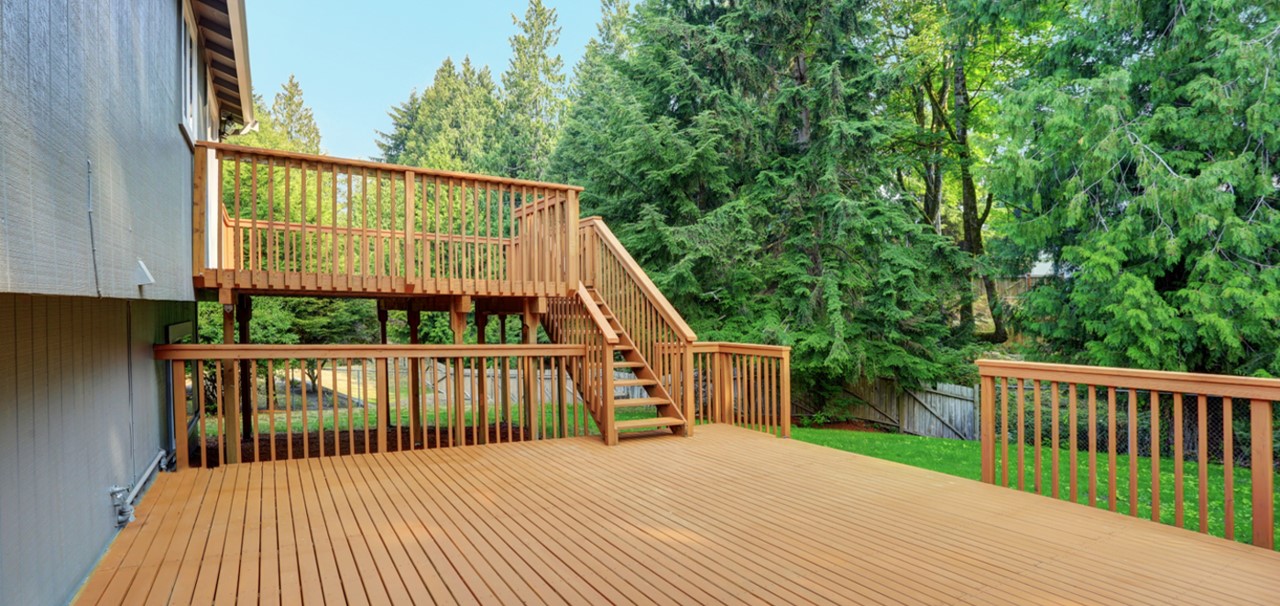
Whether it is a sprawling backyard platform for a single-family home, a cozy apartment balcony, a classic ranch-style front porch, or a sunset rooftop terrace, outdoor living spaces are essential to modern living.
However, selecting the right decking material can feel overwhelming given the numerous options available today. Choosing the best fit for your home requires balancing aesthetics, durability, maintenance, and budget. This comprehensive guide will help you navigate the top choices to find the perfect match for your lifestyle.
Traditional Wood Decking Options
For many homeowners, nothing beats the natural beauty and warmth of a real wood deck. When exploring your options, you will generally choose between five main categories:
- Softwood: Pressure-Treated Wood
- Softwood: Natural Cedar
- Hardwood: Tropical Hardwoods
- Modified Wood: Thermally Treated
- Grass: Fused Bamboo
- Composite: Engineered Plastic
Softwood: Pressure-Treated Wood
The most popular decking choice across the country is pressure-treated wood. Typically made from southern yellow pine, this softwood is chemically infused to resist rot, decay, and wood-boring insects. (Because of density constraints, only softwoods can be effectively pressure-treated.)
Homeowners love pressure-treated options because the wood is incredibly easy to work with during construction. It represents an affordable, highly functional choice if you want a classic look on a budget. However, it does require regular staining and sealing to prevent splitting and warping over time.
Softwood: Natural Cedar
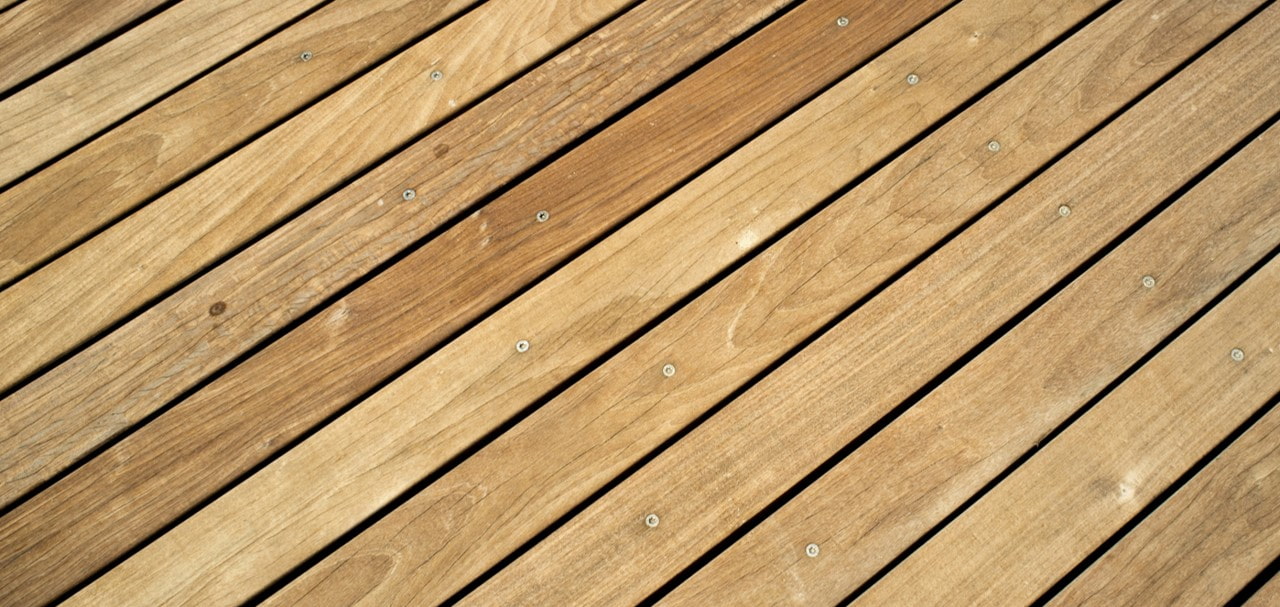
If you prefer a naturally resilient wood species, cedar is an excellent premium option. Cedar boards contain natural oils and tannins that make them inherently resistant to rot and insects without the need for chemical treatments. It features a beautiful, rich, warm undertone and a fine grain pattern. Like pressure-treated options, cedar requires periodic power washing and sealing to maintain its original color; otherwise, it will gradually weather into a rustic, silvery-gray finish.
Hardwood: Tropical Hardwoods
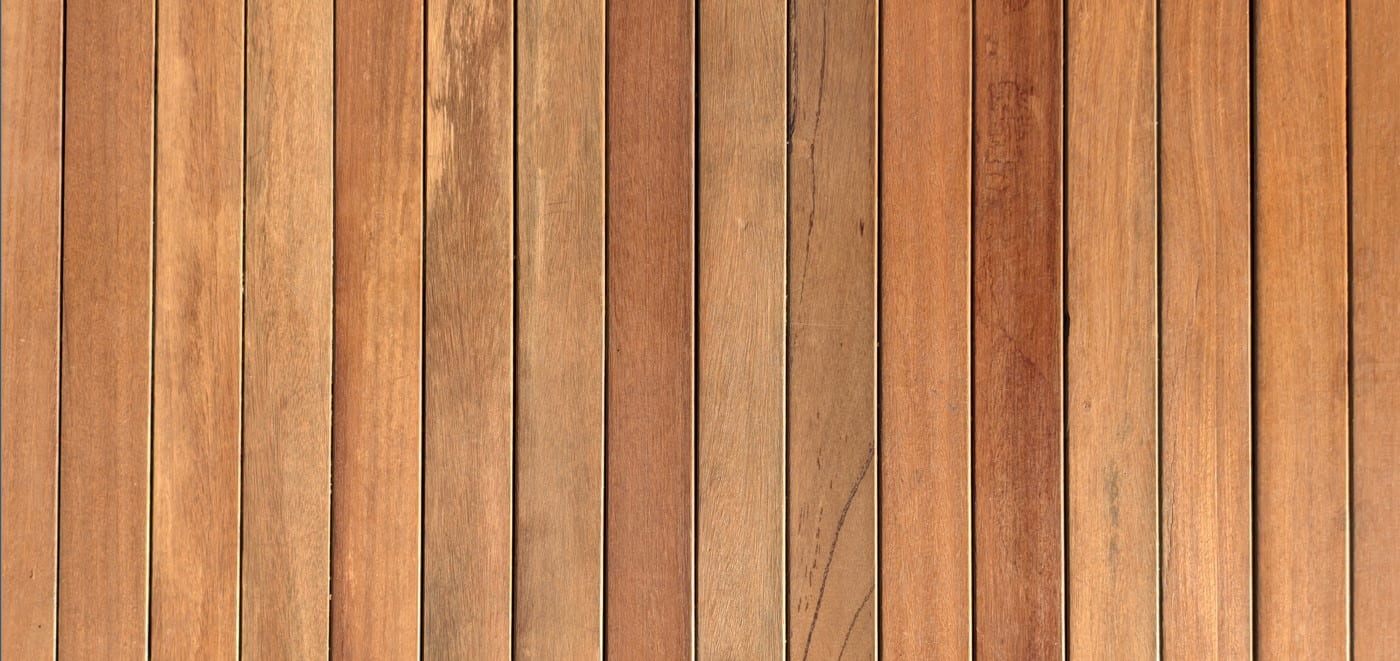
For ultimate longevity and a luxurious appearance, hardwood decking is unmatched. These dense, exotic woods—such as ipe, cumaru, and tigerwood—come from South American virgin forests and offer incredible durability. Because it is so dense, a wood like ipe can last for decades and naturally resists scratches, fire, and decay. The downside is that this type of wood is heavy, difficult to cut, and significantly more expensive than domestic softwoods. Some of these hardwoods are listed under CITES and are damaging to the environment.
Modified and Thermally Treated Wood
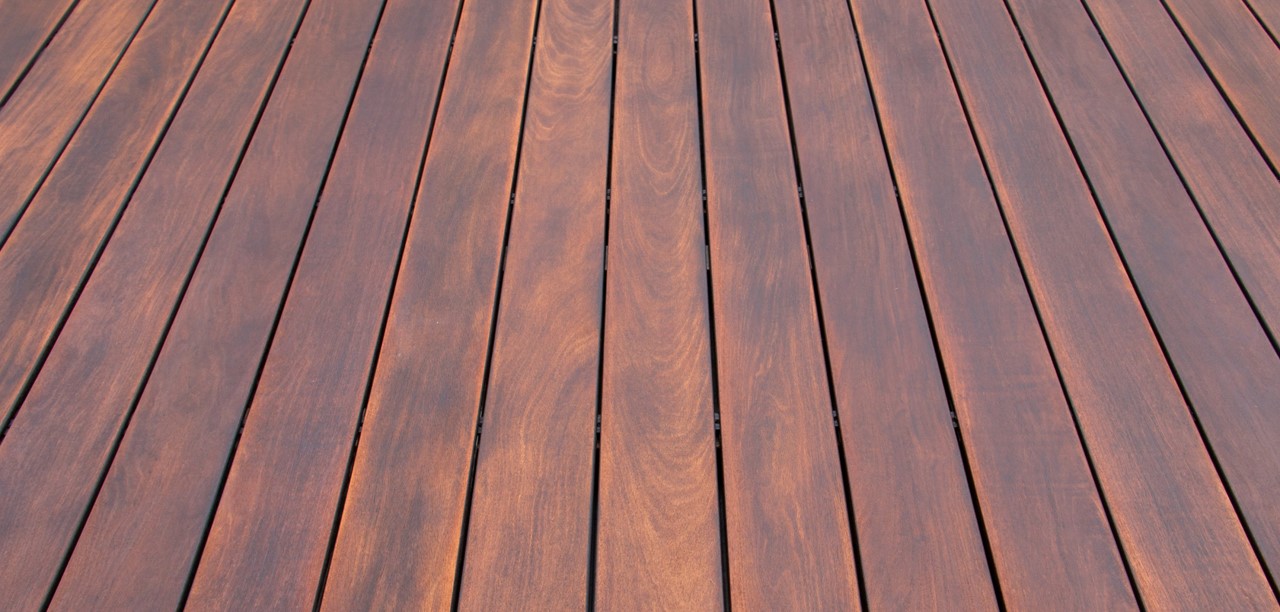
Modified wood represents a significant advancement in sustainable building materials, favored for combining the aesthetic of real wood with superior durability and low maintenance. Most modified wood on the market is Radiata pine (originating from New Zealand and Europe) that has been treated with a non-toxic liquid to alter its cell structure.
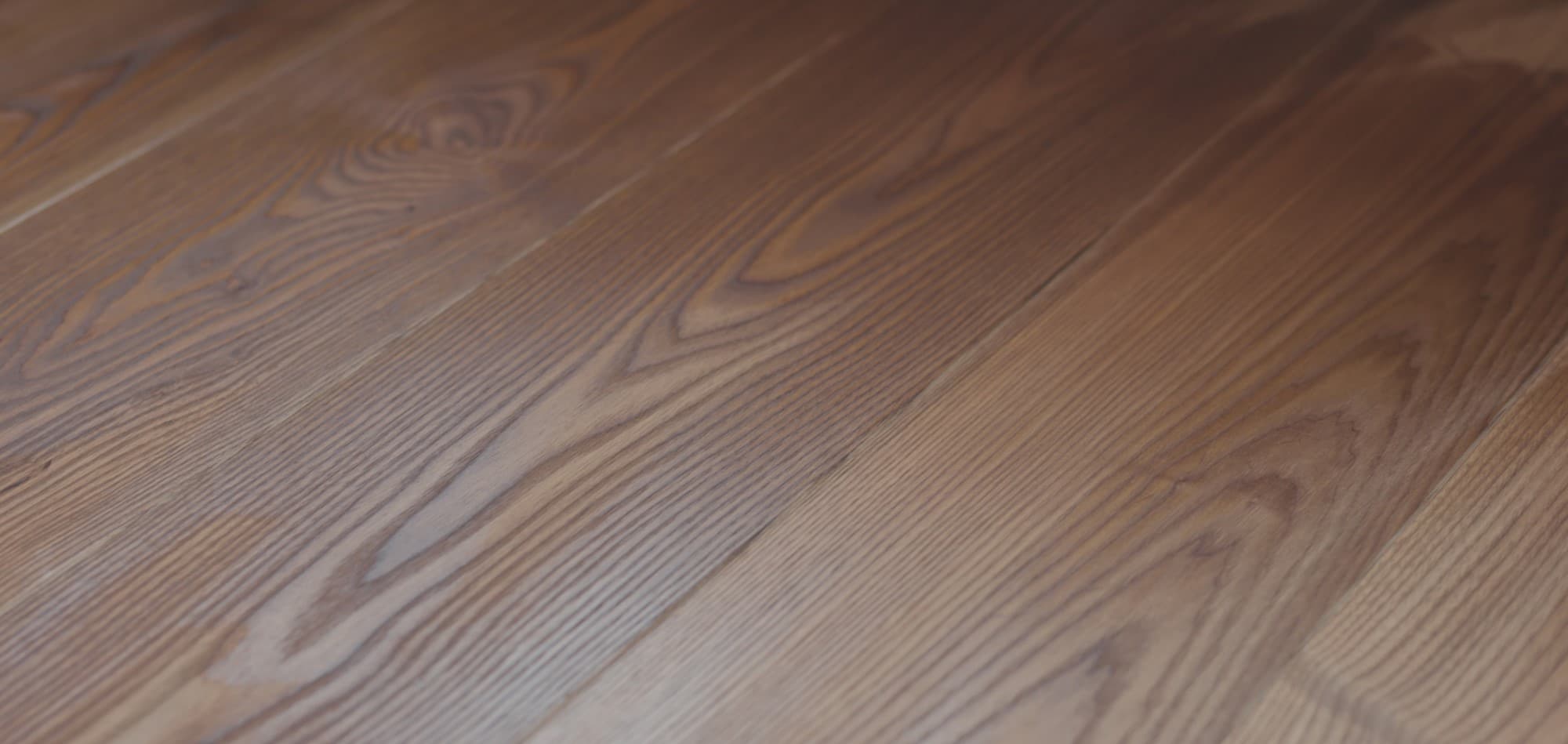
Another technology within this group is thermally treated wood, which can be performed on softwoods as well as hardwoods like ash and oak. This process results in a stable product that performs similarly to tropical hardwoods without utilizing harsh chemicals, ensuring a safe, environmentally responsible choice for family-friendly decks.
Grass: Fused Bamboo Decking
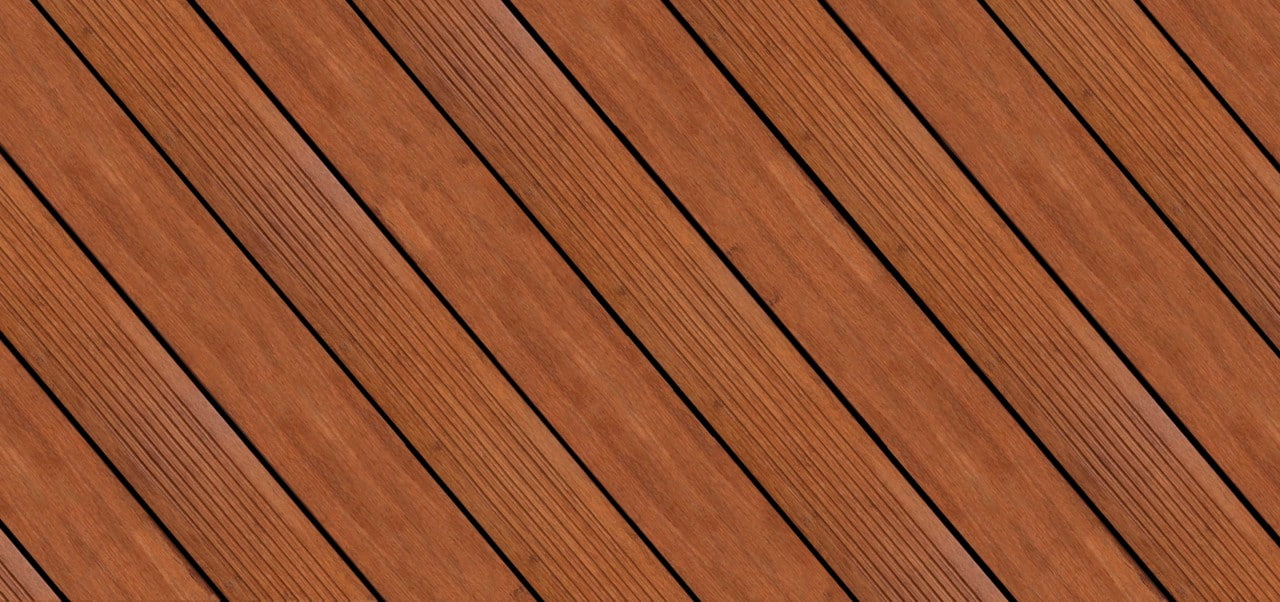
An increasingly popular and innovative alternative to traditional timber is bamboo decking. Though technically a fast-growing grass rather than a traditional hardwood, manufactured bamboo options undergo a high-density compression and thermal treatment process. This creates extremely durable, stable boards that rival the density of exotic hardwoods. Bamboo offers a unique grain aesthetic, excellent resistance to swelling, and serves as an eco-friendly option for homeowners looking to reduce their environmental footprint.
The Rise of Composite Decking
If the thought of annual sanding, staining, and sealing sounds exhausting, you might want to look beyond traditional wood. Composite decking has grown immensely in popularity as a low-maintenance alternative. However, it does have its own headache.
Modern composite decking is engineered from a blend of recycled plastic fibers and wood scraps. Due to the complexity of type, grades and mixture of plastics, including the multi-phase of how the composite plastics are made whether solid, capped, uncapped, extruded, hollow and etc. The quality of composite plastic is multi-fold and complex even though in general this category claimed to resist fading, staining, and scratching. While composite options mimic the grain patterns of real wood, the feel and touch are somewhat unrealistic and still easily differentiate between real wood and plastic. Composite plastic usually never requires painting or staining. You simply need to wash the surface occasionally with soap and water to keep it looking new. However, it is important to note that if your composite ever sags, chips, or sustains deep damage, it cannot be sanded down or repaired; the damaged boards must be entirely replaced.
Comparing Materials: Wood vs. Composite
To choose the best decking material for your specific project, it helps to weigh the key factors side-by-side.
|
Feature
|
Natural Wood & Bamboo
|
Composite Decking
|
|
Appearance
|
Offers authentic beauty with distinct, natural grain variations.
|
High-end options closely mimic exotic wood species and grain patterns.
|
|
Maintenance
|
Requires consistent washing, staining, or sealing every 1 to 3 years. Unless you prefer the natural silver patina of a natural wood. It has its own kind of beauty.,
|
Almost zero maintenance; requires only a periodic quick rinse. If damaged, there is no way to repair it. Your option is to replace the damaged boards.
|
|
Lifespan
|
Treated softwoods: ~15 years. Cedar: ~20 years. Hardwoods: 40+ years. Fused Bamboo: more than 50 years.
|
Highly durable; often carries warranties lasting 25 to 30 years.
|
|
Cost
|
Softwoods are the most affordable upfront. Hardwoods and bamboo are a premium investment.
|
High upfront cost but saves money over time by eliminating stain/sealer expenses.
|
Making Your Final Decision
As you evaluate your final deck board selection, consider how you plan to use the space and how long you intend to stay in your home.
If you enjoy DIY maintenance and love the smell and authentic feel of real lumber, a classic cedar or treated wood deck is a wonderful addition to any backyard. Moreover, wood and bamboo retain the value of your property. If you are able to accept the touch and feel of plastic while relaxing, then the composite plastic system maybe your choice. Finally, investing in a premium quality fused bamboo system layout is likely your best path if you are looking for a long term investment with easy maintenance. Take the time to look at physical samples in different lighting conditions to ensure your final choice perfectly complements your home’s architecture.
Avery Chua
Avery Chua has over 30 years of manufacturing and product development in the wood and bamboo-based industry. He has worked across industry mostly in the pioneering stage of production involving MDF, plywood, adhesives and modern coatings. He wears many hats throughout his journey ranging from technologist, quality control, production, R&D, product development and market expansion. His knowledge comes handy in integrating usage of wood, bamboo, adhesives and coatings.