Class A Fire Rating Explained
By
Avery Chua
Posted on
Tuesday, July 7, 2026 4:21 PM
If you reside in a high-rise building or a home, you have likely encountered the term "Class A fire rating". Understanding these fire rating classifications is critical for fire safety and protecting your property.
This guide explains the fire rating tiers, what they mean, and how decking materials fare in this system.
What You’ll Learn
-
What is Class A fire rating.
-
How Fire Ratings are Determined.
-
Fire Rating Classifications.
-
Geographic Requirements of Local Building Codes
What is a Class A Fire Rating?
It is vital to distinguish between a "Class A fire rating" and a "Class A fire." The latter refers to the type of fuel that supported the fire, whereas the Class A fire rating is a standardized metric for building materials. Materials classified as Class A offer the highest level of fire resistance, effectively limiting flame spread and resisting ignition even under severe exposure.
How Fire Ratings Are Determined
Fire ratings are established through rigorous ASTM (American Standard Test Methods) test protocols. When building materials are exposed to fire, they are evaluated based on two primary criteria:
To be considered a Class A fire-rated material, the product must meet the strictest safety standards for both indices. These fire resistance ratings are foundational to building codes, as they ensure that structural components maintain their integrity, providing occupants with the means to evacuate. Different ratings exist, but Class A is the gold standard.
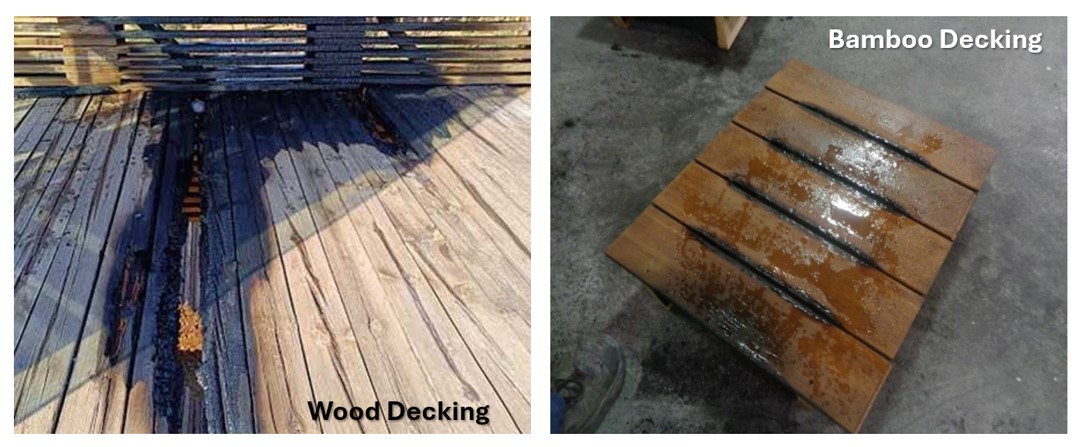
Comparison of Fire Rating Classifications
Building Codes categorize materials into different fire rating classifications:
-
Class A: The highest level of protection; exhibits minimal flame spread.
-
Class B: Offers moderate fire resistance; suitable for standard building applications.
-
Class C: Provides basic resistance; often restricted to lower-risk environments, specifically Class C materials.
Geographic Requirements and Local Building Codes
The necessity of using Class A materials often depends on your local bnuilding codes. While some regions prioritize aesthetics, wildfire-prone areas require stringent adherence to fire protection standards to mitigate the risk of flame spread from external sources. Always consult your local building agency to understand the specific fire resistance rating requirements for your project.
It is important to remember the difference between Class A, B, and C ratings, and that while a material is fire-rated, it does not mean the material is fireproof. Proper installation and maintenance remain the best means of ensuring long-term safety.
dassoXTR Fused Bamboo: A Certified Solution
For projects requiring high-performance components, dassoXTR Fused Bamboo stands out as a consistent proven building material that meets rigorous Class A fire rating requirements. Through specialized manufacturing, the bamboo undergoes a thermal or crystalised modification process that significantly alters its cellular structure, resulting in a product that exceeds the fire resistance performance of many traditional wood species.
Because it complies with the stringent ASTM flame spread and smoke developed criteria, dassoXTR Fused Bamboo is a fully certified building material approved for use in applications where a Class A fire-rated surface is mandated. Whether for exterior decking, cladding, or siding, builders can utilize this material to achieve both aesthetic quality and the highest level of fire protection required by modern local building codes.
Avery Chua
Avery Chua has over 30 years of manufacturing and product development in the wood and bamboo-based industry. He has worked across industry mostly in the pioneering stage of production involving MDF, plywood, adhesives and modern coatings. He wears many hats throughout his journey ranging from technologist, quality control, production, R&D, product development and market expansion. His knowledge comes handy in integrating usage of wood, bamboo, adhesives and coatings.