Eco-Friendly Decking Materials
By
Avery Chua
Posted on
Friday, August 7, 2026 3:04 AM
Eco-Friendly Decking Materials
What You'll Learn
What are the different eco-friendly decking options commonly used today in projects? People looking for eco-friendly decking materials for their next construction project typically consider composite, vinyl, PVC, and fused bamboo decking. For different reasons, these are considered the most sustainable decking materials.
This guide will help you assess how each of these eco-friendly materials performs from a sustainability perspective and how to choose the material that best suits your needs, based on factors such as durability, environmental impact, and long-term value.
Why Sustainable Decking Choices Matter
Sustainable building materials are in demand now more than ever due to the ever-increasing environmental impact of some materials and the constantly changing regulations. That is leading consumers to look for lower-impact alternatives to traditional wood products.
Different environmental problems are often associated with conventional wooden decking materials. Pressure-treated woods often require chemicals for preservation, and some hardwoods can even cause deforestation and habitat destruction, even when sourced domestically.
Luckily, today there are many other green options that you can choose and install for your project. Each of these options comes with advantages and disadvantages, and depending on the type of use, budget, and expectations, there is a decking material that fits your project’s goals.
The Main Eco-Friendly Decking Materials
Composite Decking
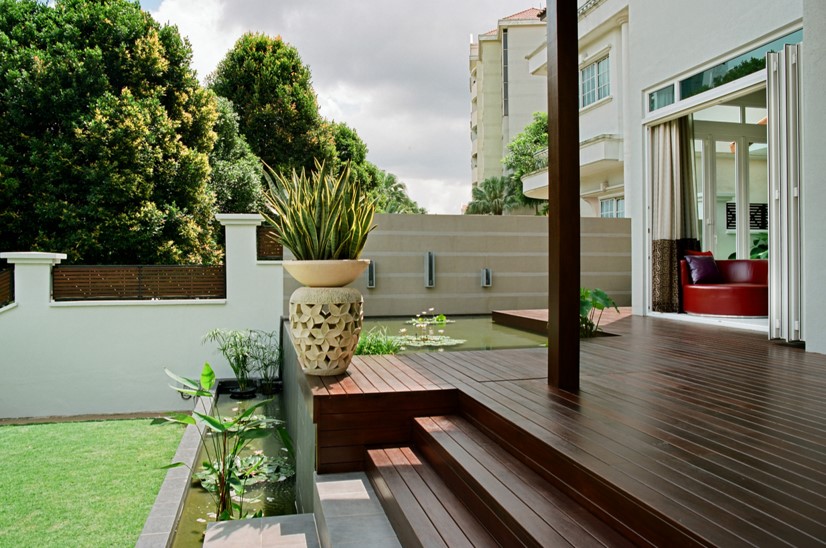
The composite decking option is among the most popular sustainable decking options. Composite decking is made up of recycled plastic film and reclaimed wood fibers. Some products have a high recycled content, helping reduce landfill waste.
Although composite decking is durable, it does have some drawbacks. The manufacturing process is not very environmentally friendly, and recycling some products at the end of their useful life can pose challenges. Even though composite products contribute to decreasing landfill waste as they incorporate recyclable materials, they use polymer-based products and do not give you the sourcing benefits as other, more ecological choices.
Best for: Projects that require durability, less maintenance, and recycled materials.
Vinyl and PVC Decking
Rather than a blend of plastic and wood, PVC decking uses artificial polymers. The main benefit of this combination is its water resistance, which makes it particularly useful around pools and other areas constantly exposed to the elements.
In terms of sustainability, PVC’s environmental performance largely depends on the use of recycled components. The inclusion of recycled PVC can help greatly reduce the ecological footprint, whereas boards made almost entirely of virgin PVC are less sustainable. The more recycled material used, the less durable the decking, and the more virgin PVC used, the less sustainable.
Even though PVC has excellent water-resistant properties, it has an artificial look and does not come from a rapidly renewable resource.
Best for: Projects that require full water resistance.
Reclaimed and FSC-Certified Wood
Still considered one of the most eco-friendly options for wood-based deck boards, reclaimed wood offers strong environmental benefits because its material already exists, and no additional trees need to be cut down for its production.
The problem is its lack of consistency. Reclaimed wood often varies in size, appearance, and availability, making it less suitable for larger projects.
FSC-Certified Wood, as another option, offers wood products that are sourced from responsibly managed forests. FSC-certified wood still has maintenance challenges, but it is a sustainable timber sourcing option.
Best for: Projects that require natural wood for a more traditional style and look.
Bamboo Decking
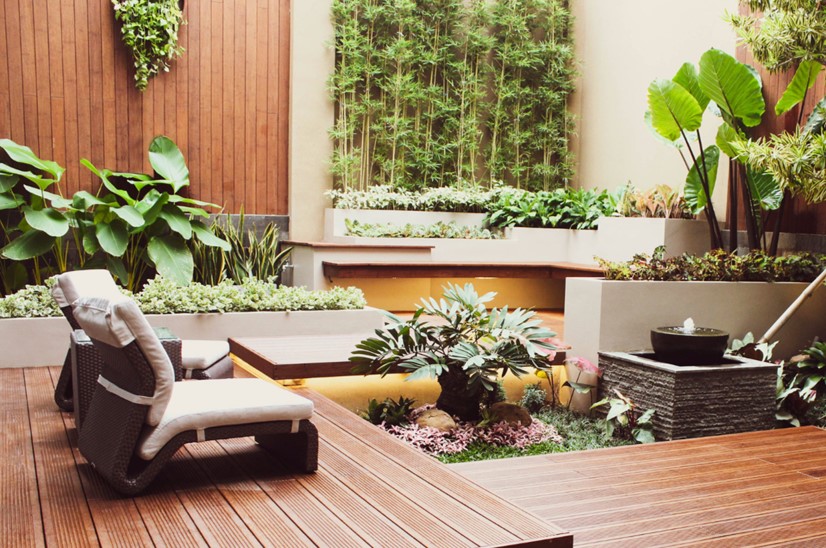
Bamboo is fast becoming one of the world’s most reliable and sustainable decking materials. It is important to remember that bamboo is a grass. Just like any grass, new shoots will grow once there is ample sunlight and water.
While hardwoods need many years to mature before they can be used for materials, bamboo is a rapidly renewable grass that matures in just a couple of years. When harvested, its root system is left intact; it can keep growing without replanting. That gives bamboo decking a strong advantage over other, more traditional wood options, and makes it one of the most sustainable materials currently available.
Bamboo is also environmentally friendly in other ways besides being renewable. Recent studies have shown that fused bamboo products have a very low carbon footprint, making some types of bamboo decking carbon-neutral or even negative. Bamboo regrows quickly and can be harvested sustainably, making the production process more eco-friendly than many rivals'.
When used as a decking material, fused bamboo combines durability with sustainability, without the need for any chemical preservative that many wood materials require. When installed with proper ventilation and drainage, it requires little to no effort on your part to maintain.
Overall, bamboo combines natural aesthetics, durability, and strong sustainability, which few other decking materials have. So, while some composite materials are recycled, fused bamboo offers natural beauty, renewable sourcing, and strong durability.
Best for: Projects requiring sustainability and long-term performance considerations.
Comparing the Materials at a Glance
The choice of material is determined by the project requirements and the intended uses of your deck.
-
A composite material will work well if the project requires minimal maintenance and recycled materials.
-
PVC is a practical and sturdy option if the project needs strong protection against water and moisture.
-
Reclaimed wood and wood from FSC-certified projects will appeal to those seeking traditional wood features.
As a strong contender, bamboo meets many sustainability criteria: it’s readily available, has a natural look, is long-lasting, and has a low environmental impact. For any project that requires excellent performance alongside sustainability, it’s perhaps the most environmentally responsible alternative.
All of the above materials are a vast improvement over conventionally sourced decking products. Builders and homeowners can support long-term performance and environmental responsibility by considering the lifecycle impacts of materials and their sustainability.
To find out more about the advantages of using fused bamboo for your decking project, contact us today!
Frequently Asked Questions
What makes a decking material genuinely eco-friendly?
Genuine eco-friendly decking material uses minimal virgin resources, generates little waste, and has a long lifespan. Sustainable material choices include bamboo, reclaimed wood, and composites with high recycled content, thanks to their responsible sourcing and durability.
Is composite decking actually made from recycled materials?
Yes, it is. Most composite decking materials contain recycled plastic and reclaimed wood fiber, with recycled content exceeding 80%. Always verify the material's sustainability and check the manufacturer's certifications.
When should I choose bamboo over other decking materials?
If you are looking for the natural look of wooden materials but with solid environmental considerations, then bamboo may be the best choice for you. It is very durable and fast-growing, and has a much lower environmental impact than other traditional timber products.
How does PVC decking compare environmentally to composite?
Although PVC material is fully waterproof and needs low maintenance, its sustainability depends on the recycled materials used. Composite deck material includes more recycled materials but lacks the level of water protection that PVC offers.
Does eco-friendly decking add value to a building project?
Absolutely, eco-friendly decking materials contribute toward achieving green building ratings and high performance. They also reduce long-term maintenance and replacement costs. All of these factors create more value for your construction project.
Avery Chua
Avery Chua has over 30 years of manufacturing and product development in the wood and bamboo-based industry. He has worked across industry mostly in the pioneering stage of production involving MDF, plywood, adhesives and modern coatings. He wears many hats throughout his journey ranging from technologist, quality control, production, R&D, product development and market expansion. His knowledge comes handy in integrating usage of wood, bamboo, adhesives and coatings.