Tips for Choosing a Deck Railing System and Materials
By
Avery Chua
Posted on
Friday, October 4, 2024 9:18 PM
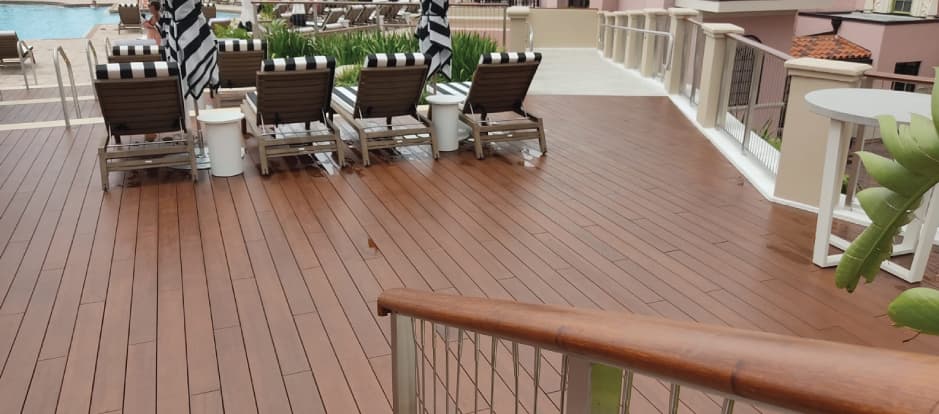
Choosing the perfect deck railing is a critical step in finalizing your outdoor environment. A well-designed deck and railing system not only provides essential safety but also frames the perimeter beautifully. In this comprehensive deck railing guide, we will explore everything you need to know about materials, accessories, building regulations, and design. Whether you are building brand-new wood decks or renovating an existing composite deck, reviewing all the available deck railing options is essential. This is equally true if you are updating a front porch.
Choosing the right railing is about balancing aesthetics, durability, and maintenance. From classic wood to modern black aluminum, this guide covers the most popular types of deck railing materials to help you make an informed decision for your home.
Understanding the Anatomy of a Railing
Before exploring different railing ideas and materials, it is important to understand the basic anatomy. This knowledge will help you when purchasing materials or discussing your project with contractors.
- Posts: The thick, vertical structural supports that anchor the barrier to the decking. Posts are the most critical element for strength.
- Top Rail: The horizontal bar that runs along the very top. A strong top rail provides a place to rest your hands or drinks.
- Bottom Rails: The horizontal pieces that run parallel to the decking surface, securing the lower section of the infill.
- Top and Bottom: Together, these components frame the entire structure and hold the vertical infill securely in place.
- Infill Options: The material that fills the space between the posts and rails. This can include traditional vertical balusters, glass panels, or horizontal wire.
- Balusters: Also known as spindles, these fill the space between the top and bottom rails.
- Baluster: A single vertical spindle. Swapping out a single baluster style can dramatically change the look of your project. Another baluster variation might add a contemporary flair.
- Post Cap: A decorative and protective cover that sits on top of structural posts.
You must be sure that your chosen type of railing meets all structural requirements before finalizing your design.
Exploring Deck Railing Materials
There is a myriad of materials available today, each offering unique benefits in terms of durability and style. Choosing materials wisely is paramount. Let's dive deep into the most common options for your decking.
1. Traditional Wood Railing
A classic wood railing offers a natural, traditional aesthetic that has been popular for decades. Wood is a highly customizable material that can be painted or stained to match almost any style. If you love the organic look of wood, traditional lumber is a great option. However, wood requires regular maintenance, including staining, sealing, and replacing warped deck boards over time. It is a long-standing favorite, but it does demand more upkeep than modern alternatives on outdoor decks.
2. Composite Railing
A composite railing has revolutionized the outdoor construction industry. Made from a blend of wood fibers and recycled plastics, it provides the appealing look of wood without the demanding maintenance.
- Aesthetics: You can match a composite railing perfectly with your composite decking.
- Benefits: Composite is highly durable, resisting rot, warping, and splintering.
- Upkeep: Composite is known as a very low-maintenance option. Using composite materials is an excellent investment for any deck project. These structures often last decades, and they can withstand harsh weather conditions effortlessly. If you want a low maintenance lifestyle, composite is arguably the best choice. Today’s composite deck options are more advanced and beautiful than ever.
3. Aluminum Railing
An aluminum railing offers exceptional durability and a sleek, modern aesthetic. Aluminum is lightweight, incredibly strong, and completely immune to rust.
- Styles: Aluminum often features slim profiles that provide a clean look.
- Finishes: A black aluminum finish is incredibly popular for contemporary designs.
- Maintenance: Aluminum requires almost no upkeep, making it a fantastic low-maintenance choice. When comparing aluminum and steel, aluminum is generally preferred for coastal or highly humid environments because it will not corrode. Aluminum deck options are versatile; you can even pair an aluminum frame with composite rails. Choosing aluminum significantly boosts the value of your outdoor space.
4. Steel and Metal
If you need maximum strength, a steel railing is incredibly robust. Metal railing systems, encompassing both aluminum and steel, are known for their industrial strength and clean lines. A metal deck railing can withstand extreme force and heavy impacts. While standard metal is extremely durable, a specialized metal railing might need occasional touch-ups if the powder coating scratches, to prevent rust. Regardless, metal remains a top choice for commercial and high-end residential applications.
The standout feature of metal railings is their exceptional durability. They’re resistant to rust and corrosion, especially when manufacturers powder-coat or galvanize them. As a result, they can withstand harsh weather conditions without losing their structural integrity. Additionally, metal railings require minimal maintenance, which can be a decisive factor for those looking to enhance the longevity of their outdoor features with minimal effort.
However, while metal railings offer a contemporary aesthetic, they may not appeal to those seeking the warmth and natural look of wood or composite materials. Metal can also become hot to the touch in direct sunlight, potentially causing discomfort during warmer months. Additionally, speaking of temperatures and climate, the type of location can significantly affect how much care they need.
4. Vinyl Railing
A vinyl railing is another low-maintenance option that comes in a variety of colors, most notably crisp white. Vinyl is a durable material that resists fading and requires only a simple wash with soap and water to keep it looking perfect.
5. Glass Railing
If you have a stunning view, a glass railing is the ultimate choice. Using tempered panels as your infill options provides an unobstructed view of your surroundings. While beautiful and safe, it requires frequent cleaning to remove fingerprints.
6. Fused Bamboo Lumber
Fused Bamboo Lumber is an innovative railing material that has recently gained traction in the design and construction industry for its durability, aesthetics, and weather resistance. While bamboo is a plant and not a tree (and therefore not wood), it exhibits a tensile strength comparable to steel, making it resistant to cracking and warping. This is also because the fusing process makes the lumber incredibly dense and, with 13 percent phenolic resin, it's not going to budge. This resilience ensures that bamboo railings can withstand the rigors of various weather conditions, providing a reliable safety feature for elevated spaces.
Moreover, fused bamboo is an eco-friendly option, as it grows rapidly, replenishes quickly, and puts less pressure on bamboo forests because of its easy harvesting. Its striking aesthetic, characterized by a unique grain and rich color, adds a contemporary and luxurious element to any outdoor area.
However, fused bamboo can be more expensive than conventional options, which might be a limiting factor for some projects. However, its outstanding longevity and minimal care can help save installers money in the long run, making it a wise investment.
Modern Infill Options and Styles
The "infill" is what sits between your posts and rails. The infill you choose defines the character of the structure.
|
Infill Type
|
Description
|
Best For
|
|
Traditional Balusters
|
Vertical spindles made of wood, composite, or metal. You can use aluminum balusters to modernize a wooden frame.
|
Classic, traditional, and transitional styles.
|
|
Cable
|
Uses horizontal stainless steel tension wires instead of vertical spindles.
|
Modern designs and preserving scenic views.
|
|
Glass Panels
|
Solid tempered glass sheets that act as an invisible barrier.
|
Waterfront properties and elevated decks with panoramic views.
|
Deep Dive into Cable Railings
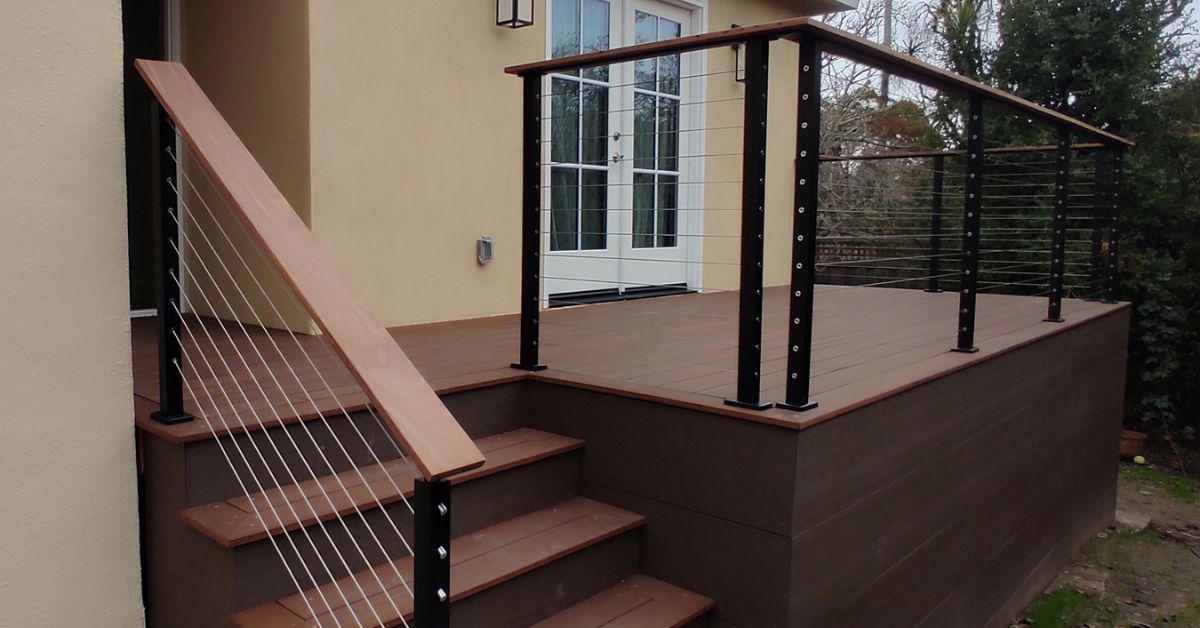
Cable is highly sought after for its minimalist appeal. When you use cable as your infill, you drastically reduce visual obstructions. It requires highly tensioned stainless steel wire, which means the structural posts must be incredibly strong—often metal or thick wood. If you are designing a contemporary decking layout, a cable deck setup is unparalleled.
When planning your deck railing ideas, consider how the infill will impact your daily life. Do you want privacy, or do you want to see the landscape?
Safety and Building Codes
A barrier is primarily a safety feature. It is crucial to consider local building regulations before you purchase materials.
- Understanding Local Building Codes: Every municipality has specific local building codes that dictate how structures must be constructed. Generally, building codes require that anything higher than 30 inches off the ground must have a barrier.
- Height: Residential setups must typically be at least 36 inches high.
- Spacing: To keep children and pets safe, the spacing between vertical elements must be less than 4 inches so a 4-inch sphere cannot pass through.
- Accessibility: In some commercial or accessible residential projects, you may need to install an ADA handrail. This provides a continuously graspable surface for individuals with mobility challenges.
Always consult your local building authorities to ensure your structure complies with all regulations. A compliant setup can prevent accidents and save you from costly fines.
Lighting, Accessories, and Fasteners
To truly elevate your decking, you need to incorporate the right accessories.
- Post Caps: A post cap is not just a decorative touch; it protects the end grain of your wooden posts from rot and moisture. You can choose a simple cap, or you can opt for solar post caps. Solar post caps feature built-in panels and LED bulbs, providing eco-friendly illumination. Choosing decorative accessories adds a polished, finished look to the entire structure.
- Deck Lighting: Adding deck lighting transforms your outdoor area into an inviting evening retreat. Lighting can be integrated directly into your framework. You can install small LED lights on the posts for a subtle glow.
- Fasteners: The hidden heroes of any structure are the fasteners. Using high-quality, corrosion-resistant fasteners ensures your decking and posts will not become loose or unstable over time. Always use the fasteners recommended by your manufacturer. Quality fasteners are critical.
Installation Tools and Railing Kits
If you are a DIY enthusiast, installing a new barrier can be a rewarding project. Many manufacturers offer convenient railing kits. A standard railing kit comes pre-packaged with all the necessary components. Using kits simplifies the installation process and ensures all parts fit together flawlessly.
To install these systems, you will need basic construction tools such as a drill, a level, a miter saw, and measuring tape. Some metal and wire applications may require specialized tensioning tools. Whether you are working on wood decks, a composite decking surface, or a simple porch, having the right tools is essential for a professional finish.
Maintenance and Long-Term Durability
The longevity of your outdoor space depends heavily on the durability of the materials you choose and how well you maintain them.
- Wood: Requires annual cleaning, staining, and sealing. You must frequently check wood for signs of rot.
- Composite: Composite offers immense durability. It simply requires periodic cleaning with mild soap and water to remove dirt.
- Metal/Aluminum: Aluminum and steel are the ultimate low maintenance options. Aside from wiping down dust, they require virtually no upkeep and will last for a long time.
- Cable: Wire infills may require occasional re-tensioning of the lines after the first few seasons to ensure they remain tight and safe.
When you consider the long-term costs, investing in more durable materials up front often pays off because you save significant money and time on maintenance over the years.
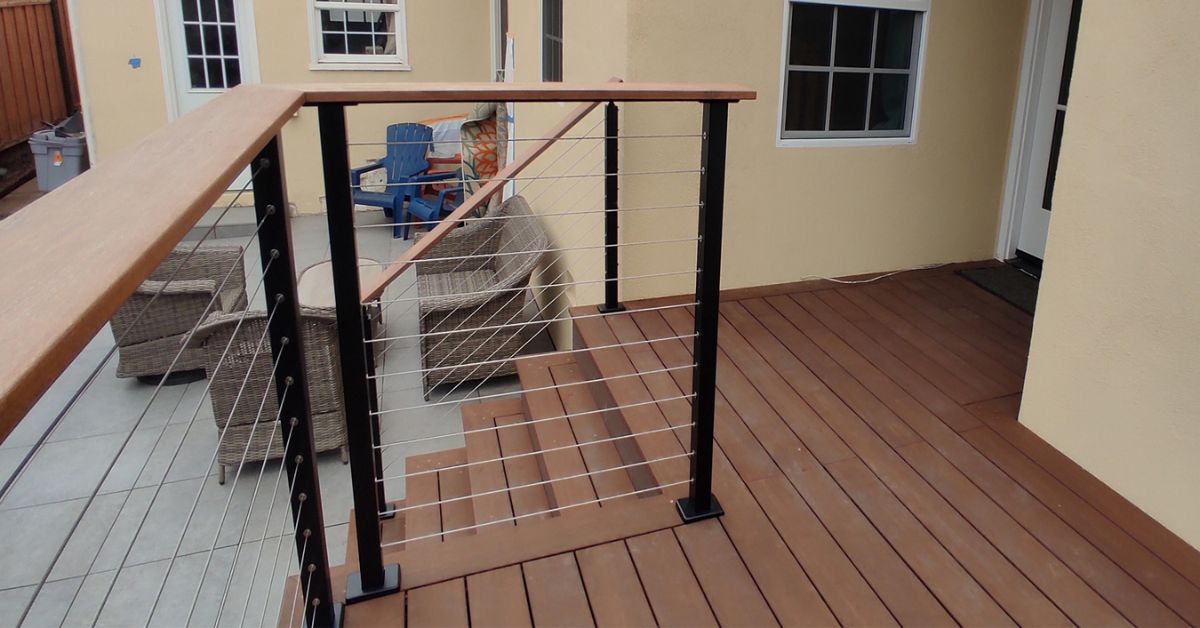
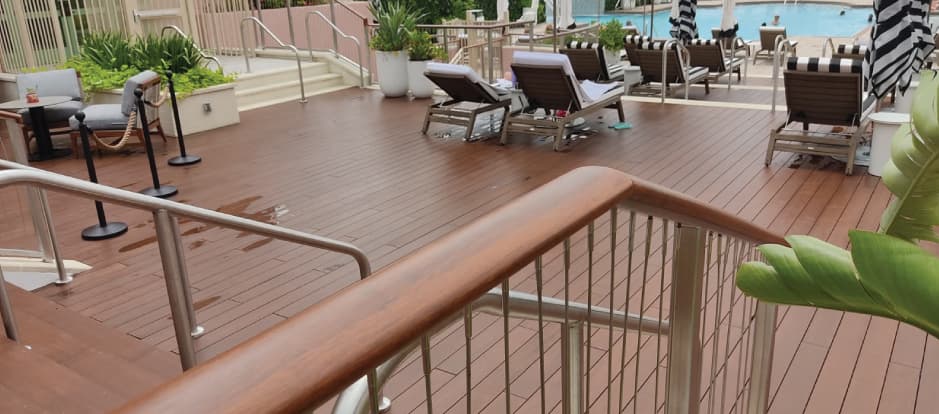
At dassoXTR, our bamboo deck railing materials are sustainable, stunning, and can match any style, from contemporary to classic. As a bonus, we also sell all of our recommended compatible accessories and fasteners, so you can craft a gorgeous railing quickly and easily, without compromising on precision or aesthetics.
Final Thoughts on Your Options
Creating the perfect environment is an exciting journey. Your decking is an extension of your home, and the right barrier defines that space beautifully.
As you weigh your options, remember to prioritize safety, building compliance, and your personal capacity for maintenance. Choose a wood aesthetic if you love classic authenticity. Choose composite if you want the look of wood or composite without the hassle. Choose aluminum and steel for sleek, indestructible modernism. Choose glass or wire if preserving your view is paramount.
By carefully evaluating these types of deck materials and styles, you can build a stunning, safe, and durable project that your family will enjoy for years to come.
Avery Chua
Avery Chua has over 30 years of manufacturing and product development in the wood and bamboo-based industry. He has worked across industry mostly in the pioneering stage of production involving MDF, plywood, adhesives and modern coatings. He wears many hats throughout his journey ranging from technologist, quality control, production, R&D, product development and market expansion. His knowledge comes handy in integrating usage of wood, bamboo, adhesives and coatings.