House Siding Options: Best Materials Compared (2026 Guide)
By
Avery Chua
Posted on
Friday, August 14, 2026 6:14 PM
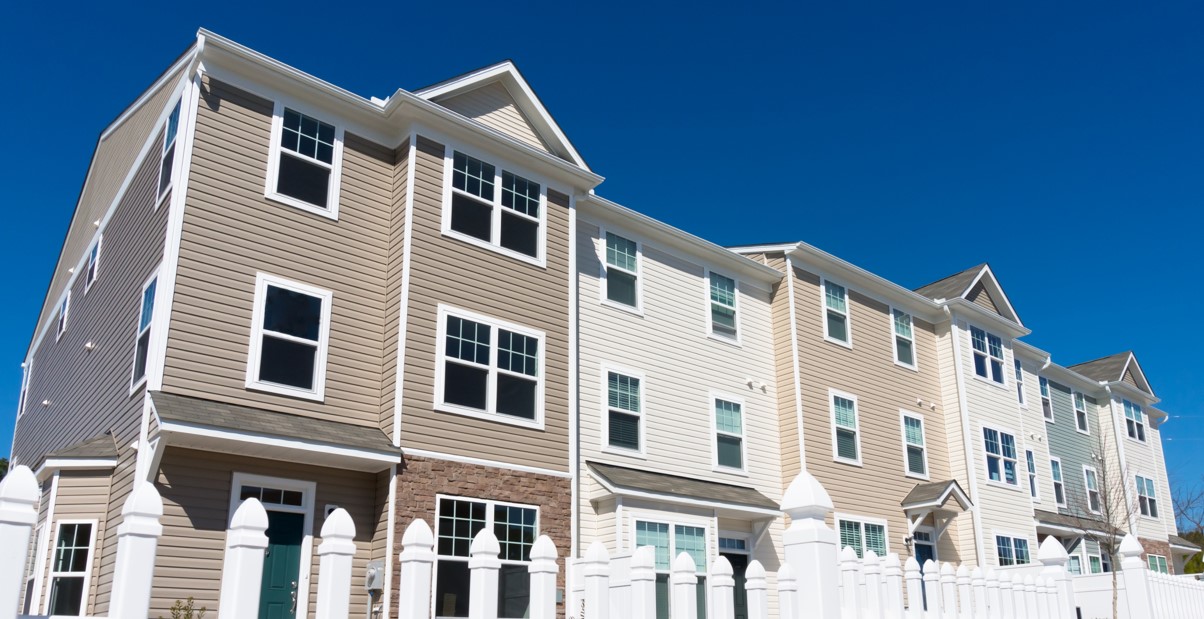
Siding is much more than just a pretty exterior for your house. It’s the first line of defense against harsh weather, UV rays, and potential wildfires. It may also be one of the biggest investments you make in your home, meaning it directly affects your insurance payments and any coating and maintenance costs.
There are many different types of exterior cladding available today, and the best option depends on your location, climate, preferences, and budget. All in all, it requires a little research, which is why we have put together this guide to the siding options available for construction projects, starting with the one that consistently outperforms the rest.
Bamboo Siding
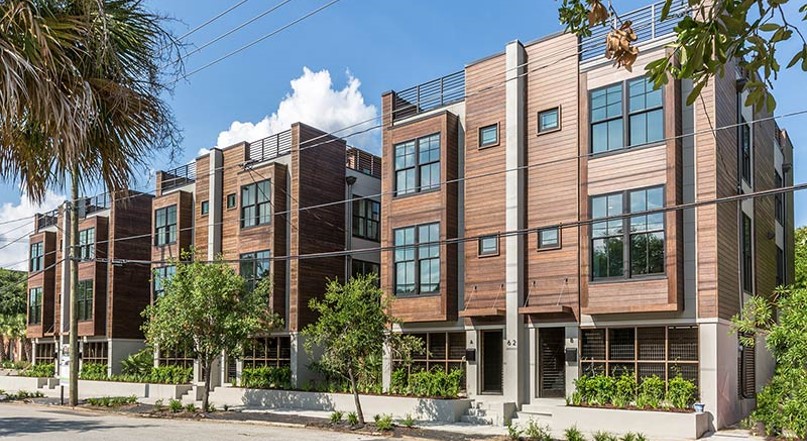
Both construction specialists and project managers have integrated bamboo siding into their buildings, and with good reason.
dassoXTR Fused Bamboo RainClad Siding is made from moso bamboo grown to full maturity, which is then shredded, heat-treated, and fused under pressure and pressed to form panels that are denser and more stable than most hardwoods. It will never warp, break, or leak chemicals. It also holds a Class A fire rating and W.U.I. compliance - a big advantage for homeowners who live in areas such as California, Colorado, and the Pacific Northwest that are susceptible to wildfires and where building insurers focus extensively on exterior housing materials.
Our high-quality RainClad siding comes pre-oiled in two options, Classic Espresso and Epic Cognac. We also offer custom-stained panels with nearly unlimited colors and styles. As bamboo is produced from a fast-renewable grass and not harvested from old-growth timber, it’s easily available. And it doesn’t face the same sourcing issues in the California supply chain as fire-retardant cedar and redwood, which have become scarcer due to recent wildfires.
Unlike trees, moso bamboo regenerates and grows again from the same root system, meaning an established grove will continue supplying raw materials over and over without requiring re-plantation or decades of growth.
The bamboo panels are milled with a shiplap cut and a tongue-and-groove joint end-match, which can be installed horizontally or vertically on a vented rainscreen system with no visible fasteners. This design prevents water from getting trapped behind the cladding, which is the cause of most siding failures, regardless of the material.
Bamboo is an ideal siding material for buildings in fire-prone areas, coastal climates with high wind speed and humidity levels, or construction projects that require a natural wood look. It ticks every box and performs beautifully in most circumstances.
You can review the technology behind it on the Fused Bamboo Principles page.
Fiber Cement Siding
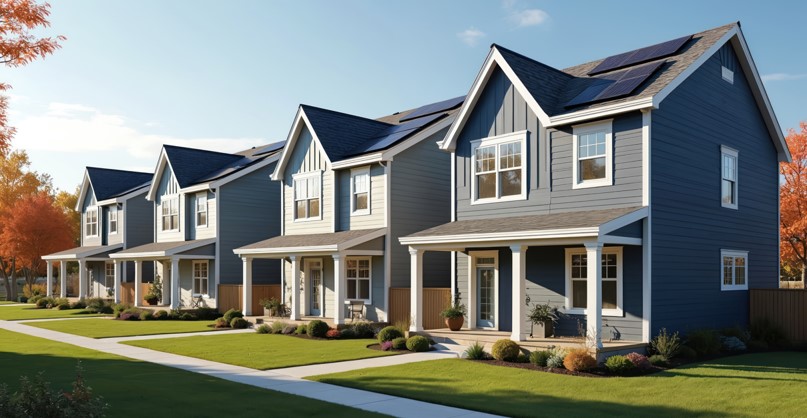
Fiber cement siding is probably the biggest competitor to Rainclad bamboo because of its durability. Composed of Portland cement, sand, and cellulose fibers, it closely resembles the appearance of wood clapboard, shingles, or stucco panels.
The homeowner gets a non-combustible, insect-resistant, rot-resistant material that lasts 30 to 50 years. The material also holds its value well, with industry surveys consistently rating fiber cement in the top tier of materials for the highest return on investment when remodeling exteriors. Insurance companies also offer premium discounts due to its fire resistance.
Considerations regarding fiber cement include its weight, brittleness, and tendency to crack. It also requires specialized cutting tools and two experienced people to install. The average production rate is about 100 sq ft per six-hour day, which increases labor costs for fitting.
Also, the pre-primed cement siding must be painted within the first 6 months after installation and then repainted every 10 to 15 years. Factory-finished panels can last for up to 15 years before requiring a repaint.
Cement is a sensible and trustworthy option, but maybe not for those who don’t like doing much DIY maintenance.
Vinyl Siding
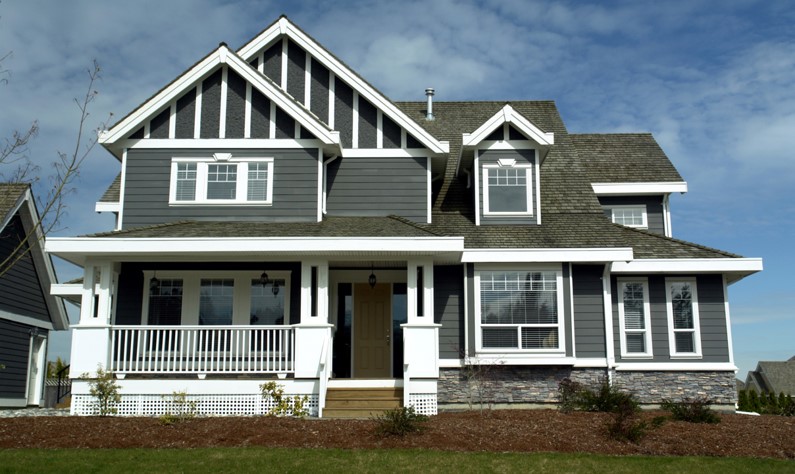
Vinyl siding is still the go-to option for budget siding. The panels can last 20 to 40 years with minimal maintenance, aside from occasional hose cleaning. The material comes in a large variety of colors and profiles, ranging from vertical, board-and-batten, and shake styles, that imitate more expensive materials.
Vinly does have its limitations, though. While it is quite durable, it can develop cracks at low temperatures and become discolored in areas with excessive UV radiation.
Additionally, vinyl is not rated for fire resistance like bamboo and fiber-cement products, and may pose issues in certain wildland-urban interface (WUI) communities. The look of vinyl also lacks the polish of more expensive materials, which is why it’s commonly used on starter homes or low-end projects.
Insulated vinyl siding with a rigid foam backing helps narrow that gap and provides increased energy efficiency, although it increases costs, pushing installation prices closer to fiber cement.
Wood Siding
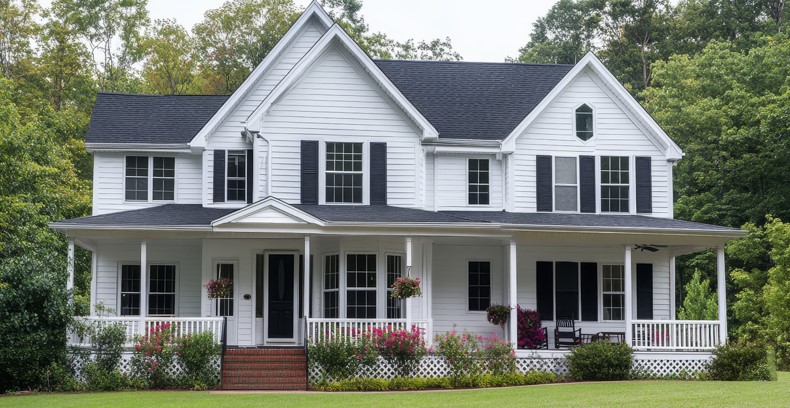
Wood siding comes in either cedar, redwood, or pine, and has been the traditional choice for decades. Its material price is similar to that of fiber cement. However, the cost of regular maintenance for wood is quite high. You will also have to repaint or restain the wood siding every 3 to 5 years and deal with some occasional repair work to address rotting, warping, and insect infestation. There is also the risk of fire with untreated wood, which is an important factor to consider when building in WUI-designated counties.
Redwood is typically the costlier of the wood choices thanks to its denser grain and dark colors, while cedar is popular for its rot resistance. Pine and fir are cheap to install but require tougher sealing to hold up outdoors.
Homeowners who want the wood look without the constant maintenance and fire risk usually opt for bamboo siding, which provides the same texture and warmth without the maintenance.
Choosing the Right Siding Material for Your Home
Construction projects are usually complicated, and there is no single right choice. As a construction manager, your decision will be based on climate conditions, fire-hazard requirements, costs, and maintenance requirements for future owners.
Regardless of the material you choose, siding can directly impact a property's appeal and resale value, and it’s a substantial investment in the building's exterior. The best strategy is to consider different options and compare materials to find the one that best fits your project. A simple guideline is as follows:
- Fused Bamboo is perfect for areas prone to forest fires and high humidity, and for people who prefer low maintenance.
- Fiber cement offers a blend of durability and classic styles and textures.
- Vinyl is ideal when the budget is the top priority.
- Wood siding is perfect for homeowners who prefer a natural material and are willing to handle maintenance.
If bamboo siding matches your construction project, check dassoXTR's siding calculator and installation and maintenance guide, as they are a great starting place for cost estimation. If you build in a designated wildfire-prone area, then the Class A fire-rated siding page is also worth checking out.
For any questions, reach out to us today!
Frequently Asked Questions
What's the most durable house siding option?
The most durable siding options are fiber cement and fused bamboo, both of which will last 30+ years with minimal maintenance. Bamboo offers the added benefit of Class A fire resistance and W.U.I. compliance.
Is bamboo siding actually fire-resistant?
Yes, it is. dassoXTR Fused Bamboo RainClad siding is Class A fire-rated and complies fully with W.U.I. regulations, making it a great pick for wildfire-prone regions.
What's the cheapest siding material?
By far the cheapest siding option is Vinyl, though it has a shorter lifespan than bamboo, wood, or fiber cement.
How often does wood siding need to be repainted?
Wood siding needs to be repainted every 3 to 5 years, depending on the climate and sun exposure.
Can I install new siding over old siding?
You can, but it all depends on the type of siding and whether there is any damage to the wall. A qualified installer will need to check for moisture damage first, since covering a compromised substrate can trap problems behind the new siding.
Avery Chua
Avery Chua has over 30 years of manufacturing and product development in the wood and bamboo-based industry. He has worked across industry mostly in the pioneering stage of production involving MDF, plywood, adhesives and modern coatings. He wears many hats throughout his journey ranging from technologist, quality control, production, R&D, product development and market expansion. His knowledge comes handy in integrating usage of wood, bamboo, adhesives and coatings.